
BRETT FROOMER l DIRECTOR AND CINEMATOGRAPHER
About ten years ago, I walked onto my first hospital shoot and something shifted.
The nurses, the doctors, the administrators, everyone I met was doing something that mattered in a way that most work simply does not.
When I started telling the patients' stories, I was hooked. I used to walk out through the hospital doors at the end of the day thinking I wished I had chosen to be a doctor.
Every project since has felt like that. A journey through optimism, fear, bravery, innovation, and hope.
The stories are never small. And they never start at the hospital door.
There is the building, and the people who work in it, but they are there for the community around them. Everyone who is part of that community has a life that brought them there. The neighborhood someone comes from. The thing they do with their hands. What they couldn't stand the thought of losing. That is what makes the hospital mean something. You have to know what is at stake.
A patient connecting with their doctor. A nurse demonstrating the kind of craft and care that most people never get to see. A new piece of technology that changes what medicine can do. I am moved by all of it, every time. I am probably the first person on set to shed a tear when someone starts to talk.
What led them to this place? Doctor, researcher, nurse, administrator, patient, they all have one.
What I try to do is create a setting where things can unfold on their own terms. That means something different on every shoot. Sometimes it is the technical challenge of showing a CT scanner in a way nobody has seen before. Sometimes it is just making a patient feel safe enough to say what they really mean.
The work is emotionally charged because it is real.
That is the only kind I know how to tell.
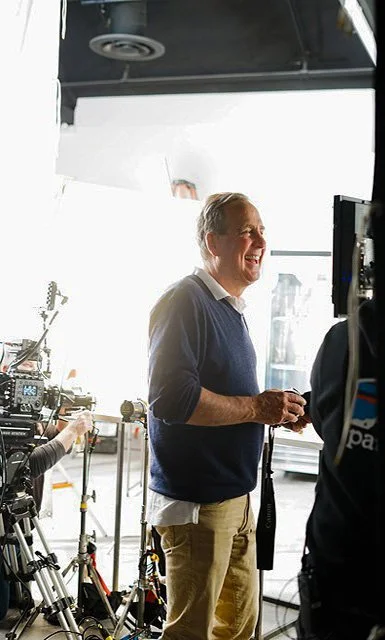
Brett Froomer
Brett Froomer is a director and cinematographer based in Los Angeles. He works with hospitals and healthcare systems, making films about the people and places that define them. He directs, he shoots, and he brings the same instinct to a fully scripted scene that he brings to an unrepeatable real moment. It has to feel true, or it does not work.
He founded Quiet Witness because the best healthcare filmmaking does not come from manufacturing emotion. It comes from showing up, earning trust, and being ready when something real happens.